In Great Falls, you need roofing built for harsh UV rays, wind stress, heavy snow, and thermal stress. Metal roofing systems often outperforms asphalt by preventing impact, fire, uplift, and weather degradation, while clearing snow more efficiently. You should watch for fractured shingles, flashing gaps, moisture entry, granule erosion, or sagging areas after storms. A qualified local roofer will inspect roof decking, underlayment, and ventilation systems, and damage from storms, then propose repair or replacement based on extended performance.
Key Takeaways
- Great Falls roofs must handle intense UV, powerful gusts, substantial snowfall, and temperature swings that worsen leaks and component degradation.
- Metal roofing systems endure approximately 40-70 years, withstand wind, fire damage, and impacts better versus asphalt, and shed snow most effectively.
- Asphalt shingles offer savings at first although they wear faster, showing curling, cracking, and granule loss under Great Falls climate.
- Warning signs include cracked shingles, lifted flashing, deteriorating valleys, stains on ceiling, attic condensation, and weather damage across several roof slopes.
- Great Falls roofing experts provide inspections, diagnostics of leaks, storm repairs, emergency tarping, and skilled metal roof installation with proper underlayment and flashing.
The Way Great Falls Conditions Affects Roofing Systems
Because Great Falls gets powerful UV rays, wind stress, hailstorms, heavy snow, and temperature shifts, your roof endures continuous stress that could cut its service life. UV rays dries roof materials, damages sealants, and speeds up deterioration. Wind pushes margins, drives rain within weak seams, and weakens flashing near roof penetrations.
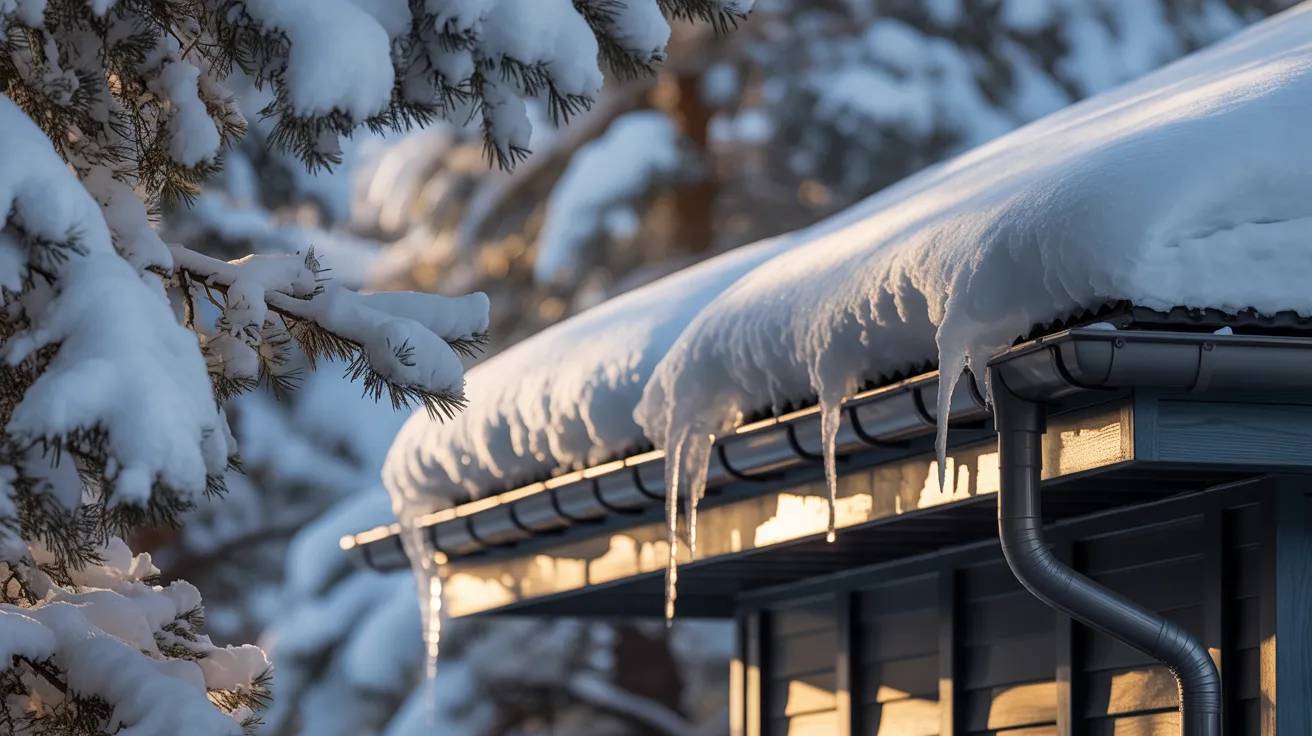
Weight from snow places stress, and ice blockages contain water at eaves and raise leak risk. Freeze-thaw cycles open minor cracks, separate seams, and degrade underlayment. Ice pellets mark the surface, fracture coating layers, and uncover underlying materials to moisture entry. You also deal with localized climate impacts: southern exposures warm faster, areas in shade stay wet more time, and areas facing wind wear more intensely. Routine inspections allow you catch weather damage promptly, protect drainage routes and prolong roof performance during severe seasonal changes.
Metal Roofing compared to Shingles in Great Falls
Comparing metal materials with asphalt-based shingles in Great Falls, your conclusion often depends on weather resistance, lifespan, regular upkeep, and long-term cost. Metal roofing systems perform better against high-wind, fire, and impact damage than shingles, and they generally last 40 to 70 years as opposed to 15 to 30.
Most often, you'll outlay more in advance for metal, yet you may change it less often and conduct fewer maintenance activities. Standard shingles cost less upfront and offer basic spot work, though they may become curled, crack, or lose granules more rapidly. Metal roofing also facilitates better snow discharge, which minimizes accumulation of snow when appropriately installed with safety guards. If you're looking at adding solar, metal roofing delivers convenient installation alternatives and reduced penetrations. The best selection is determined by available funds, anticipated holding period, and how much upkeep you'll accept.
Why Metal Roofing Performs in Montana
Engineered for thermal swings, forceful winds, copious snow, and powerful solar radiation, metal roofing operates efficiently in Montana's intense weather. You get a system that mitigates thermal movement, speedily sheds moisture, and ensures foundation strength during seasonal freezing and thawing. Bonded panels, hidden fasteners, and modern protective coatings suppress wind uplift, metal corrosion, and UV damage
You also gain from effective snow release, which minimizes static roof loads and safeguards roof structure. Since metal reflects sunlight, it can moderate heat buildup in the attic during hot, dry summers. The material's minimal moisture absorption ensures functionality during ice and snow events. Metal longevity is important in the Montana region, where constant weather exposure may reduce the lifespan of inferior roofing options. By utilizing proper underlayment, ventilation, and installation, the roof remains strong, energy-saving, and functional for many years while requiring little upkeep.
Indicators That Your Roof Needs Repair
Identifying roofing issues early helps you avoid harm to the structure, water penetration inside, and costly replacement expenses. Check cracking in shingles, flashing that's lifted, visible hardware, rust in valleys, and failed sealant near vents, skylights, and chimneys. Indoors, look for ceiling stains, damp insulation, mold growth, or daylight showing through decking.
Post-storm inspection should check for dent marks, moved materials, and granule shedding in gutters. Seeing granule erosion aids in spotting deteriorated asphalt sections before water breaches the underlay. Inadequate attic venting also triggers warning indicators: high temperatures, icy accumulation, dampness, and premature curling. When utility bills spike without cause, moisture and warmth may be affecting roof integrity.
Book repair services if you detect dipping spots, repeated drips, or unstable metal attachments. Speedy correction shields decking, insulating material, and finished spaces.
Roof Replacement If It Makes More Sense
You should consider roof replacement when storm damage affects extensive areas, compromises key structural parts, or surpasses practical repair limits. If you're constantly spending for repeated leaks, patch failures, or repeated maintenance visits, replacement typically gives better long-term value. An older roof system at or beyond its design life cannot reliably protect your home reliably, even though isolated repairs may seem feasible.
Extensive Weather Damage
When a major storm damages large sections of your roof, a complete replacement typically provides more financial and structural sense than multiple repairs. After hail aftermath, wind uplift, or punctures from fallen branches, you may have compromised decking, wet underlayment, and extensive shingle damage that repairs cannot effectively isolate.
You require a system-level evaluation, not patchwork. Weather damage often damages seal integrity, loosens fastening systems, and creates hidden moisture paths around valleys, vents, and flashing. Following debris removal, standing water can continue degrading insulation and sheathing below the surface. If damage affects several slopes or compromises the roof assembly, new installation provides consistent protection, regulatory compliance, and manufacturer-backed performance. It additionally enables you enhance underlayment, ventilation, and impact-resistant materials so your next severe storm doesn't exploit the same weak points again.
Repeated Maintenance Costs
Frequently, repeated leak repairs, shingle replacements, and flashing repairs accumulate higher costs than a scheduled roof replacement. When you're requesting service each season, you're likely trapped in spending cycles that deplete your finances without addressing deck, ventilation, or underlayment problems. Minor repairs may restore function briefly, though they rarely provide system-wide performance.
You need to compare yearly repair costs against replacement costs, rising labor costs, and material compatibility issues. Multiple repairs additionally generate warranty gaps, especially when several contractors handle different sections or incompatible products. Those gaps can leave you paying out of pocket when new failures emerge near previous repairs. A complete replacement provides you a single integrated system, predictable installation standards, and streamlined maintenance schedules. In many cases, that refresh reduces long-term roofing costs and reduces operational disruption markedly.
Aging Roofing Systems
aging occurs in roof structures, materials lose flexibility, fasteners back out, sealants break down, and drainage paths degrade, which raises leak probability and reduces wind and weather resistance. Common signs include cracked tiles, split membranes, oxidation at roof openings, and repeated water damage following storms
Roof replacement provides a better option when inspections identify roof deck moisture, extensive granule erosion, insulation deterioration, or poor ventilation balance that magnifies heat and condensation problems. You must also evaluate code upgrade needs, fastening strength, and material compatibility regarding contemporary materials. Complete replacement enables correction of concealed defects, optimize drainage systems, and install a configuration suitable for contemporary demands. Initial costs are higher, yet emergency repairs reduce, interior water damage minimizes, and overall lifecycle expenses decrease.
Storm Damage Management by Great Falls Roofers
Because intense storms can damage roof structures in moments, Great Falls roofing professionals start storm-damage work with a rapid, organized evaluation of shingles, flashing, underlayment, decking, and metal panels to identify both visible failures and hidden water-entry points.
Post-storm evaluation results, you obtain thorough documentation of damage levels, moisture problems, and structural concerns. After storm damage review, detailed records of deterioration, water intrusion, and structural risks are delivered. Removal of storm debris occurs initially stopping continued surface damage and allowing drainage to function. Vulnerable spots receive temporary protection, punctures are fixed, lifted covering is reinstalled, flashing gets secured, and fastener status in metal areas is examined. If the deck absorbed water, water saturation analysis, layer separation inspection, and mold zone identification comes before repair authorization. Photo documentation and measurement data help insurance claims and support focus on urgent protective measures ahead of cosmetic improvements.
Metal Roof Installation Process
Starting from tear-off through final trim, metal roof installation requires specific sequential steps to protect structures and maintain system performance. Old roofing elimination happens initially, structural review occurs, and deteriorated sections get refreshed. Slope assessment, dimension checking, airflow path verification, and attachment location identification follows for proper alignment.
Afterward, edge metal, protective moisture barriers, and underlayment choice are decided by climate conditions, angle, and standards. Installation begins from a square point, clips and fasteners conforming to spacing guidelines. Using locked seam systems, vertical connections are locked and remain level controlling water flow and temperature-related growth. Concluding the process, flashing work, peak and trim mounting, transition sealing, and quality inspection verify weatherproofing success and aesthetic results.
Services regional Roofing Experts Offer
Whether you seek a minor repair or a full replacement, Great Falls roof professionals typically conduct inspections, leak diagnostics, storm damage fixes, roof recovery, roof placement, and preventive maintenance for both both residential and business properties.
Along with basic services, you may hire them for flashing replacement, ventilation fixes, gutter setup, skylight sealing, and ice dam removal. If wind or hail compromise decking materials, they will perform temporary tarping to prevent water damage before permanent repairs commence. With aging roofing, they examine underlayment, fastener conditions, roof openings, and drainage conditions, then recommend focused repairs or total replacement when warranted. Most teams handle asphalt shingles, metal standing seam, membrane systems, and protective coatings. It's possible they photograph damage for insurance claims and organize maintenance appointments to spot sealant failure, corrosion, panel movement, and blocked valleys prior to these issues compromise your roof lifespan.
Finding the Right Great Falls Roofing Professional
Upon selecting a Great Falls roofing contractor, you should confirm that they hold adequate licensing and carry valid liability insurance and workers' compensation coverage. Following this, assess the roof materials they advise so you are able to compare performance metrics, service life, and price with the roofing project. You must also evaluate the experience in the area, because companies knowledgeable about Great Falls climate patterns and code requirements typically deliver more dependable results.
Verify Licensing And Insurance
Before executing a roofing contract in Great Falls, check the roofing professional possesses the Montana roofing license and carries both workers' compensation and general liability insurance. Never rely on oral claims. Demand the license details, company name, and insurance information, then execute licensed verification by checking state registration records and local registration records. Match the business name across all record.
For policy verification, demand that current certificates transmitted from the insurer or agent representative. Check policy information, effective coverage dates, coverage limits, and exclusions. Check that workers' compensation covers each crew member on your premises. If a roofing professional hires outside contractors, demand verification of insurance too. Correct insurance coverage and licensure guard you from exposure to personal liability, code issues, unpaid liens, and project delays. In the event that records doesn't align, choose a different contractor.
Evaluate roof options
Because Great Falls roofs face hail, high winds, snow load, and sharp temperature swings, you need to compare materials by performance, service life, maintenance demands, and total installed cost—not just the bid price.
Asphalt shingles usually offer the most affordable installation price, but impact ratings, wind coverage warranties, and granule deterioration matter. Metal costs more upfront, yet it sheds snow, offers fire resistance, and can deliver improved thermal performance through reflective coatings. Synthetic slate and composite shingles reduce weight while improving impact resistance, though product quality varies. Ask for product specifications on Class 4 impact ratings, wind uplift, ice-dam performance, and expected read here lifespan. You should also compare underlayment, ventilation compatibility, fastener requirements, and repairability. A cheaper roof can cost more later if it fails early or needs frequent storm-related maintenance and replacement.
Assess local experience
Material choice matters, yet the roofer's local track record often shapes how well that roof functions in Great Falls. You must confirm how long a contractor worked in the area and if they've handled hail, snow load, chinook winds, and freeze-thaw cycles on comparable properties. Area background indicates if crews grasp ventilation, ice dam prevention, flashing details, and code requirements specific to Cascade County.
Seek locations of completed projects, then evaluate workmanship from the street level. Examine Contractor testimonials for tendencies: scheduling, cleanup, warranty response, and change-order accuracy. You also need to check supplier relationships and permit familiarity, since established local contractors source stock readily and resolve inspections speedily. A roofer boasting proven Great Falls background cuts installation risks and strengthens roof durability long-term for your home.
Popular Client Questions
Will Great Falls contractors extend Financing options for replacement roofing systems?
Yes, quite a few Great Falls contractors offer financing arrangements for roof projects. You typically may decide on financing plans through the contractor or from a third party. Count on provisions contingent on job cost, finance period, and personal credit standing. Most providers call for credit checks before approval, and some present promotional rates for approved borrowers. You must compare APR, fees, down payment requirements, and prepayment terms before accepting any roofing financing agreement.
Are most roofing estimates in Great Falls at no cost?
Yes, roofing estimates in Great Falls are typically free, particularly when contractors include complimentary inspections for repairs or replacements. You should expect a documented estimate that details materials, labor, timeline, and cost breakdowns. Some companies may invoice for detailed reports, specialty diagnostics, or insurance documentation. Before you schedule, ask what the estimate covers, whether inspections are complimentary, and if additional fees apply to complex roof conditions or access.
What is the typical duration of roofing warranties in Great Falls?
Like a safety feature for your roof, warranties in Great Falls usually span 20–50 years for Manufacturer warranties, depending on material and product tier. You'll often get Labor warranties for 2–10 years, though some contractors provide longer coverage. You should ensure what's prorated, transferable, and excluded, especially for wind, ventilation, and installation errors. Check the fine print so you recognize exactly what protection you're actually buying before signing.
Can roof work be scheduled during winter in Great Falls?
Yes, you can plan roof work during winter in Great Falls, but you'll need weather contingencies. You can perform Winter repairs without risk when teams oversee temperature, wind, ice, and equipment handling limits. You should prepare for delays during storms or extreme cold. Snow clearing often comes first so technicians can access decking, identify leaks, and attach flashing. You'll achieve better results when you arrange early and remain flexible with scheduling windows.
Do Great Falls roofing companies help with insurance paperwork?
Yes, many roofing companies in Great Falls aid you with insurance paperwork after impact damage or storms. You'll often access insurance assistance through documented inspections, photo evidence, scope summaries, and estimate comparisons. They may also support claim coordination by conferring with adjusters, detailing repair quantities, and corresponding line items to policy coverage. You should still check your claim carefully, because your insurance company authorizes payment terms, depreciation, deductibles, and final settlement amounts.
Conclusion
In Great Falls, your roof has to handle wind, snow, hail, and rapid temperature changes without failing. That's why finding the roofing professional matters. Metal roofing stands out because it can persist 40–70 years—often twice or thrice longer than asphalt-based shingles. When you move forward early on repairs or replacements, you safeguard your property, reduce long-term costs, and increase performance. Work with Great Falls roofing contractors who understand local environmental factors and place systems designed to endure.